Can Pressure Washing Remove Red Clay Stains From Concrete?
Red clay stains can turn a clean concrete driveway into a patchwork of reddish-brown marks. Even after sweeping away the dirt or rinsing the surface with a garden hose, the discoloration may remain.
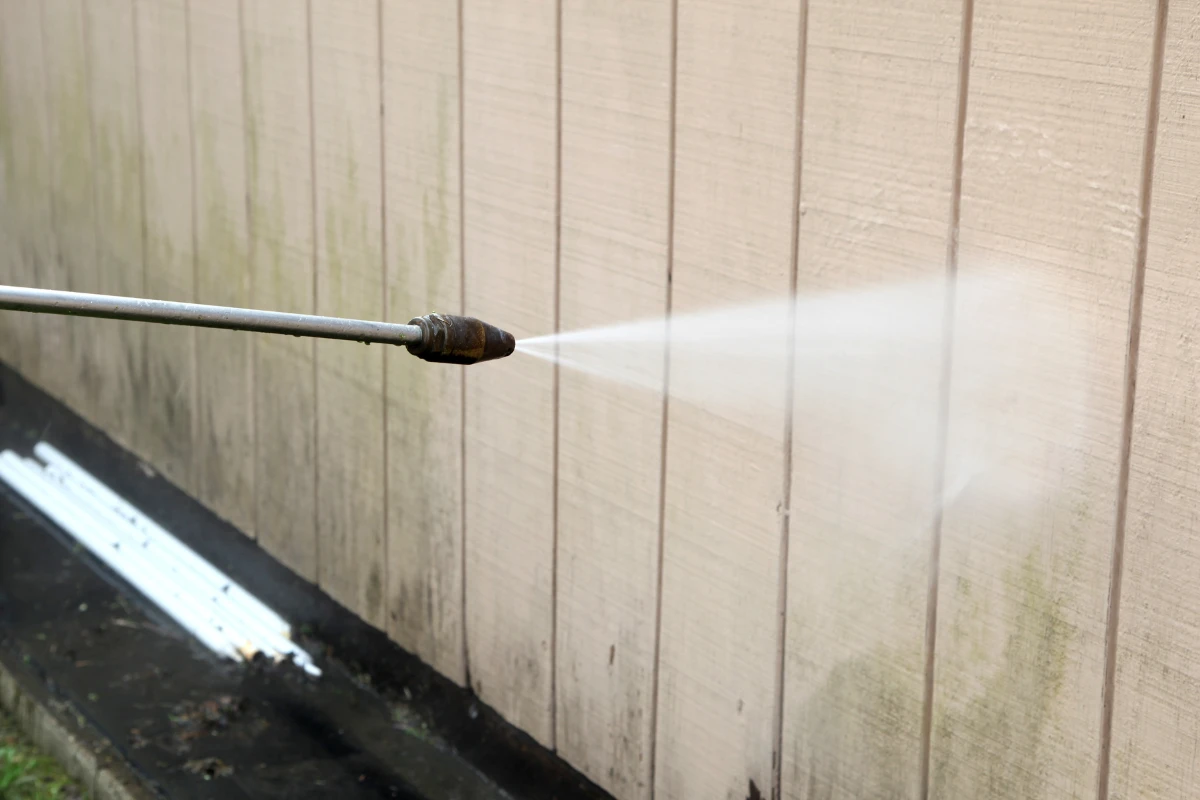
Yes, pressure washing can remove many red clay stains from concrete, particularly when the clay is sitting near the surface. However, older stains or clay particles trapped deep within the concrete may require additional treatment.
For homeowners in Lake Park, NC, understanding how red clay affects concrete can help you choose the right cleaning approach and avoid unnecessary surface damage.
Why Red Clay Leaves Stubborn Stains on Concrete
Red clay gets its distinctive color largely from iron oxide, a naturally occurring compound that gives many soils their reddish appearance.
Unlike ordinary dust, clay contains extremely fine particles that can settle into the tiny pores and surface irregularities of concrete. Once moisture carries those particles into the surface, rinsing away the visible dirt may not remove the discoloration underneath.
Several conditions can make red clay stains more noticeable:
Rainwater runoff: Water can carry soil from lawns, garden beds, and exposed ground onto driveways and sidewalks.
Foot and vehicle traffic: Shoes and tires can transfer muddy clay onto concrete and spread it across a larger area.
Porous concrete: Unsealed or weathered surfaces may absorb more staining material.
Repeated exposure: Fresh deposits can accumulate over existing stains, making them harder to clean.
Drying and settling: As muddy water evaporates, fine clay particles may remain embedded in the surface texture.
The longer the buildup remains, the more difficult it may become to remove with water alone.
Does Pressure Washing Completely Remove Red Clay Stains?
Pressure washing can substantially improve the appearance of red clay-stained concrete, but complete removal depends on the condition of the surface and how deeply the stain has penetrated.
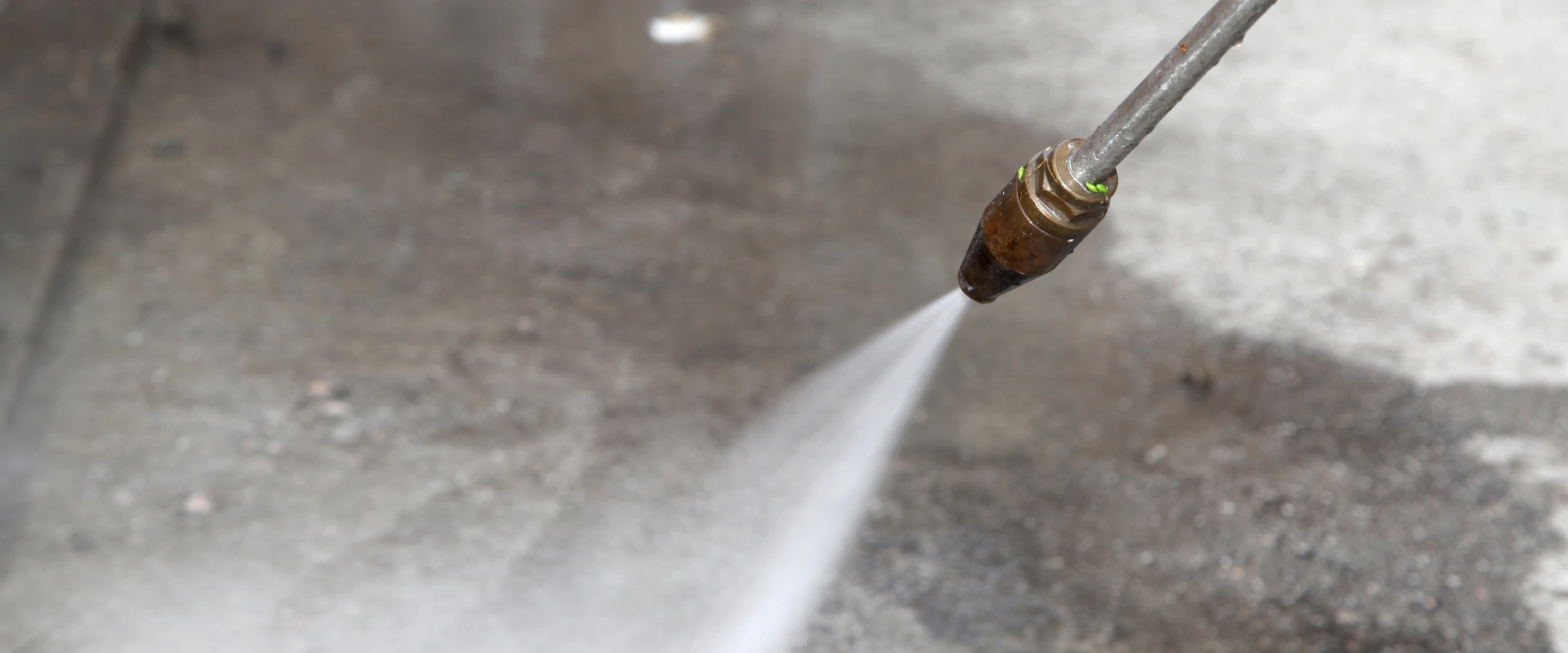
Pressurized water helps dislodge compacted dirt, clay particles, and other debris from the concrete. For relatively fresh surface stains, this may be enough to produce a noticeable improvement.
Older stains can be more challenging.
Iron-rich discoloration may remain even after the loose clay has been washed away. In these cases, additional cleaning products or specialized stain treatments may be necessary.
A professional pressure washing service can help address surface buildup while considering the condition of the concrete and the type of staining involved.
The goal is to remove as much discoloration as reasonably possible without compromising the surface.
How Red Clay Stains Are Removed From Concrete
Effective concrete cleaning begins with identifying what is causing the discoloration.
A driveway covered in fresh construction mud may need a different approach from one that has developed reddish stains over several years.
Identifying Surface Dirt and Embedded Staining
The first step is distinguishing loose clay deposits from discoloration that has penetrated the concrete.
Surface dirt often appears as a visible layer of mud or dried soil. It may collect along driveway edges, in low spots, or near landscaped areas.
Embedded staining can remain visible even after the surface dirt is removed.
This distinction matters because ordinary washing may clear away sediment without fully addressing the underlying color.
Removing Loose Clay and Surface Buildup
Clearing away loose dirt allows the remaining stains to be assessed more accurately.
Pressure washing uses a controlled stream of water to loosen and rinse away clay, grime, and other surface contaminants.
Concrete condition matters during this stage. Aggressive pressure can erode weakened concrete, expose aggregate, or leave visible cleaning marks.
Using more pressure is not necessarily the answer to a stubborn stain.
Addressing Deep or Persistent Discoloration
Some red clay stains require more than water-based cleaning.
Concrete-compatible cleaning solutions may help loosen stubborn mineral-related discoloration, depending on the stain's composition.
However, not every red stain is caused by clay. Rust from metal objects, irrigation-related deposits, and other sources can produce similar colors.
Treating the wrong stain with an unsuitable product can create additional discoloration or damage.
For persistent staining, identifying the cause before selecting a treatment is more useful than repeatedly pressure washing the same spot.
Rinsing and Checking the Results
After cleaning, the concrete should be evaluated once the surface has dried.
Wet concrete often looks darker, which can temporarily conceal remaining stains or uneven cleaning patterns.
Some areas may require additional attention, while others may have reached the practical limit of what cleaning can accomplish.
Why Some Red Clay Stains Remain After Pressure Washing
A driveway may look significantly cleaner after washing while still showing faint orange or reddish patches.
That does not always mean the cleaning was ineffective.
Several factors influence the final appearance.
Concrete Porosity and Age
Concrete naturally contains pores, and its surface condition can change over time.
As concrete weathers, fine soil particles may become trapped in small openings and surface irregularities.
Older or deteriorating concrete can be particularly difficult to clean evenly.
Length of Time the Stain Has Been Present
Fresh clay deposits are generally easier to remove than stains exposed to repeated cycles of rain, drying, and foot or vehicle traffic.
Long-standing discoloration may extend beyond the surface layer.
Previous Cleaning Attempts
Repeated scrubbing with unsuitable products or excessive pressure can change the concrete's appearance.
Some cleaning attempts may also create lighter patches that contrast with surrounding areas.
Other Materials Mixed With the Clay
Driveway stains rarely contain only one substance.
Red clay may be mixed with tire residue, oil, organic matter, or mineral deposits.
These materials can respond differently to cleaning, which explains why one area may become clean while another remains discolored.
Can Too Much Pressure Damage a Concrete Driveway?
Yes. Concrete is durable, but it is not immune to pressure washing damage.
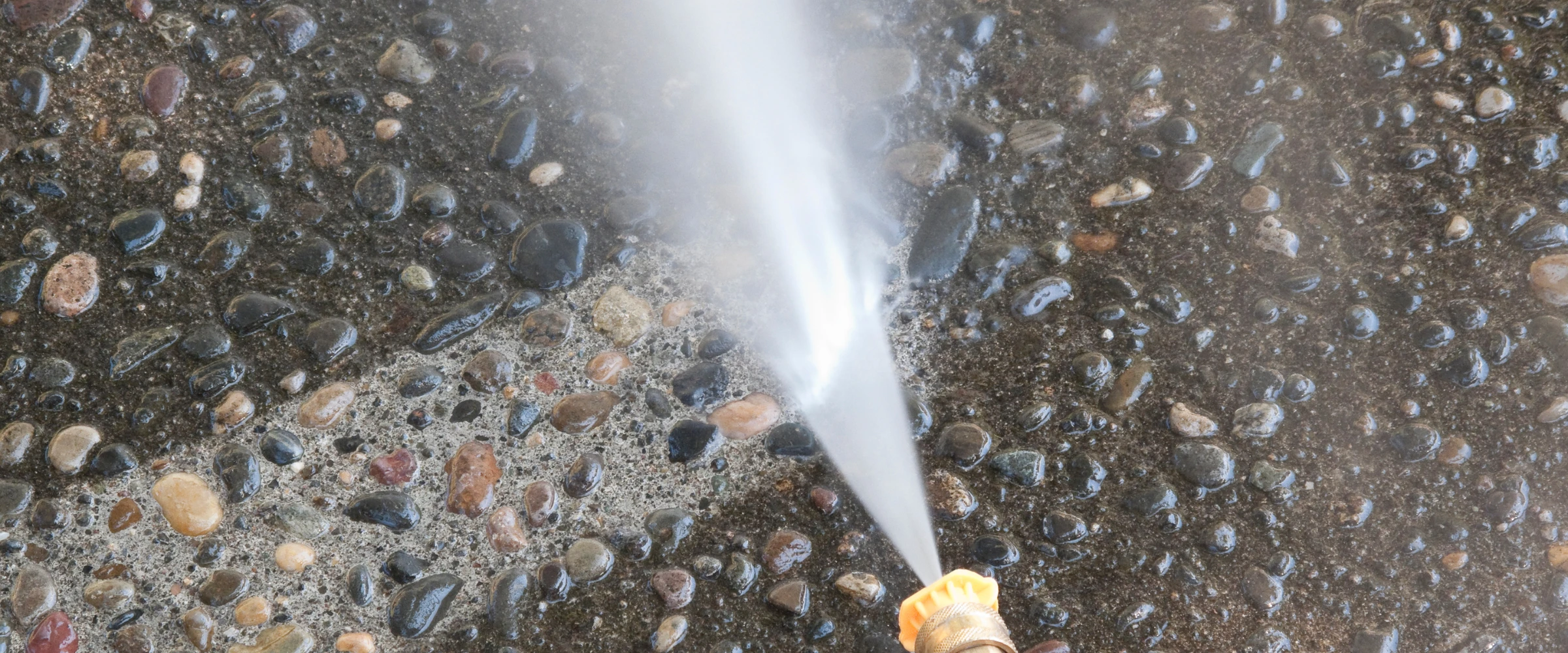
Excessive pressure, improper technique, or repeated concentrated spraying can wear away the surface paste that surrounds the aggregate.
Possible damage includes visible etching, roughened areas, cleaning lines, and further deterioration of already weakened concrete.
Extra caution is appropriate for surfaces with:
Existing cracks or flaking
Exposed aggregate
Decorative finishes
Previous surface repairs
Loose or deteriorating concrete
Pressure washing also cannot repair cracks, spalling, or structural deterioration.
For red clay stains, a careful cleaning approach is usually more sensible than increasing pressure until the discoloration disappears.
Red Clay Stains vs. Rust Stains: How Can You Tell the Difference?
Red clay and rust can leave similar reddish-brown marks on concrete, but they do not always respond to the same cleaning methods.
Red clay staining commonly appears where soil or muddy water reaches the concrete. You may notice it near lawn edges, sloped planting beds, or places where vehicles track dirt.
Rust staining is more likely to appear beneath metal furniture, near steel fixtures, or where iron-containing materials have been exposed to moisture.
The distinction becomes especially important when deciding whether pressure washing alone will work.
Clay deposits may respond well to water-based cleaning, while rust often requires a product specifically formulated for that type of stain.
If the source is unclear, identifying it first can prevent wasted effort and unnecessary surface damage.
Keeping Red Clay Off Driveways in Lake Park, NC
Preventing repeated clay deposits can make a bigger long-term difference than cleaning the same stain over and over.
In Lake Park, NC, rain can wash exposed soil from landscaped areas onto nearby concrete. Properties with sloped lawns, recently disturbed soil, or unprotected planting beds may be more susceptible to this type of buildup.
A few practical adjustments can reduce the problem.
Control Soil Runoff Near Concrete
Look for places where water moves from bare ground toward a driveway or walkway.
Mulch, suitable ground cover, and properly maintained landscape borders can help limit the movement of loose soil.
Drainage problems should be addressed rather than simply washing away the sediment each time it appears.
Remove Fresh Mud Before It Builds Up
Fresh clay deposits are generally easier to manage before they dry repeatedly on the concrete.
Sweeping away loose soil and rinsing manageable amounts of ordinary dirt can help reduce accumulation.
Avoid pushing muddy water into storm drains.
Consider Whether Concrete Sealing Is Appropriate
Some concrete sealers can reduce liquid absorption and make certain types of surface contamination easier to clean.
However, sealing is not a guarantee against red clay staining.
The appropriate product depends on the concrete's condition, previous coatings, desired finish, and manufacturer requirements.
Concrete should also be properly prepared before sealing.
Plan Cleaning Around Actual Conditions
There is no single cleaning schedule that works for every driveway.
A shaded walkway with frequent runoff may need attention sooner than an exposed driveway with good drainage.
Instead of relying only on the calendar, monitor how quickly dirt and discoloration return.
Is Professional Pressure Washing Better Than DIY Cleaning?
For minor surface dirt, basic homeowner maintenance may be sufficient.
More persistent clay staining is a different situation.
Renting a pressure washer may seem straightforward, but obtaining good results involves more than directing water at the concrete.
The operator must account for surface condition, water pressure, cleaning coverage, drainage, and the possibility of permanent marks.
Professional cleaning may be worth considering when the stains cover a large area, have remained for a long time, or have resisted ordinary cleaning.
At Liberty Bins, we provide driveway and concrete pressure washing services for homeowners in Lake Park, NC. We focus on removing exterior buildup while taking the condition of the surface into account.
For particularly stubborn red clay stains, it is helpful to discuss the staining and expected results before cleaning begins.
Concrete Cleaning Resources Worth Knowing
Understanding how concrete responds to cleaning products and water pressure can help homeowners make better maintenance decisions.
These resources provide useful information about stain removal, surface care, and responsible cleaning.
Concrete Network
Concrete Network provides educational information about concrete cleaning, common stains, and how different contaminants affect surface treatment. Its guides can help homeowners understand why some marks respond to washing while others need additional attention.
QUIKRETE
QUIKRETE is a concrete products manufacturer with information about concrete materials, repair, and maintenance. Manufacturer guidance can be useful when evaluating whether an existing concrete surface needs cleaning, repair, or another form of treatment.
Concrete Network's Rust Stain Guide
The Concrete Network rust stain removal guide explains how rust-related discoloration differs from ordinary dirt. This is particularly useful when reddish stains remain after loose clay has been removed.
U.S. Environmental Protection Agency
The U.S. Environmental Protection Agency provides information about stormwater contamination and water management. The resource helps explain why dirty cleaning water and potentially harmful runoff should be managed responsibly.
Before using any consumer cleaning product, confirm that it is compatible with your concrete, follow the manufacturer's instructions, and test it in a small, inconspicuous area when appropriate.
What Affects the Cost of Removing Red Clay Stains?
The cost of concrete cleaning can vary depending on how much work the surface requires.
A lightly stained walkway is not the same as a large driveway with years of embedded red clay deposits.
Common pricing considerations include the total cleaning area, severity of staining, surface condition, access to the property, and whether additional stain treatment is appropriate.
The source of the discoloration can also influence the work involved.
For example, removing a fresh layer of clay-covered dirt may be relatively straightforward, while addressing older mineral-related stains can require additional evaluation.
At Liberty Bins, we provide clear, upfront quotes for pressure washing services so you can understand the proposed work before scheduling.
Frequently Asked Questions About Red Clay Stains on Concrete
Can pressure washing remove red clay stains from my concrete driveway?
Yes, pressure washing can remove many red clay stains from concrete driveways, sidewalks, and other outdoor surfaces. Fresh stains are usually easier to clean, while older stains may need additional treatment. At Liberty Bins, our professionals use suitable equipment and cleaning methods to remove dirt, grime, and red clay buildup while helping protect your concrete from unnecessary damage.
Is pressure washing safe for all surfaces around my home?
Not every surface can handle the same water pressure. Concrete driveways often require a different cleaning approach than siding, windows, or other delicate areas of your home's exterior. Soft washing uses lower PSI and suitable cleaning solutions to clean certain surfaces more gently. Our goal is to use the right pressure and equipment for each area to help prevent damage and provide safe, effective results.
Can pressure washing remove mold, mildew, and algae?
Yes, pressure washing and soft washing can help remove mold, mildew, algae, dirt, and other buildup from exterior surfaces. The best method depends on the material being cleaned and the amount of buildup. In some cases, specially selected cleaning chemicals may be needed. Regular exterior cleaning can improve your home's appearance and reduce the buildup caused by moisture and outdoor exposure.
How often should I schedule pressure washing for my home?
Many homeowners choose professional pressure washing about once a year, but the right schedule depends on your property's condition. Homes in Lake Park, NC, may need more frequent cleaning when driveways and walkways experience heavy dirt buildup, red clay runoff, or moisture exposure. If you notice stains, mildew, or algae returning, it may be time to schedule another cleaning service.
Can too much pressure damage my driveway or concrete surfaces?
Yes. Using excessive pressure or the wrong PSI can lead to surface damage, including rough spots, visible cleaning lines, and worn concrete. More pressure does not always mean better cleaning performance. Professionals with experience in concrete cleaning can evaluate the surface and choose a suitable method. This helps protect your driveway while working toward the best possible results.
How much does professional pressure washing cost in Lake Park, NC?
The cost of pressure washing services depends on the size of the cleaning area, the type of surfaces, and how difficult the stains are to remove. A small walkway with light dirt buildup may cost less than a large driveway with years of red clay staining. At Liberty Bins, we provide clear quotes before the work starts, so your family or business can understand the service and expected cost. Contact us today to learn more.
How can I get started with pressure washing services in Lake Park, NC?
Getting started is easy. If your home or business needs help removing red clay, stubborn stains, or general exterior buildup, Liberty Bins is here to help. Our team can answer your questions, discuss the areas you want to clean, and provide information about our available services.
Whether you need driveway cleaning or help improving your home's exterior, contact us today at 704-804-6404 or visit our Contact Us page. We are happy to help you find the right cleaning approach for your property in Lake Park, NC, near Charlotte.
Get Your Concrete Looking Cleaner in Lake Park, NC
Red clay stains can be frustrating, especially when ordinary rinsing leaves reddish marks behind. Fortunately, many stains can be reduced with the right cleaning approach.
The key is understanding whether the discoloration comes from loose clay, embedded soil particles, or another source.
If your driveway, sidewalk, or patio has stubborn staining, our pressure washing services can help improve the appearance of your outdoor concrete surfaces.
At Liberty Bins, we help homeowners in Lake Park, NC, maintain cleaner driveways, walkways, and outdoor spaces with professional exterior cleaning.
Call us at 704-804-6404 to discuss your red clay stains and request a quote, or visit our Contact Us page to get in touch.
