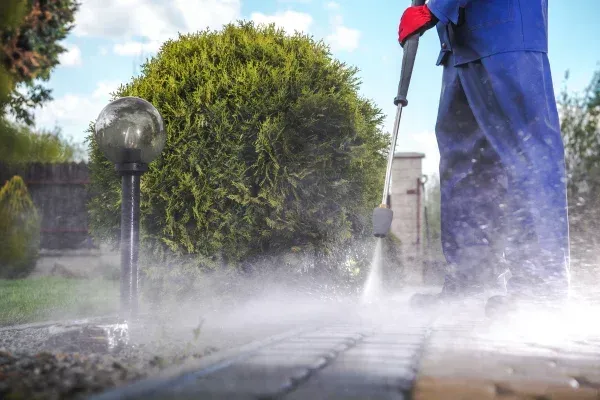
What Every Homeowner in Mint Hill, NC Should Know About Pressure Washing
If you live in Mint Hill, you already know how quickly your home’s exterior can go from looking fresh to… not so much. One minute, your siding is clean, your driveway looks great, and your deck is ready for guests. Then a few months of humidity, pollen, and summer storms hit, and suddenly everything looks dull, stained, and worn out.
That’s where pressure washing comes in.
But here’s the thing: pressure washing isn’t just about blasting dirt off surfaces. Done right, it protects your home, boosts curb appeal, and even saves you money long-term. Done wrong, it can cause damage that’s expensive to fix.
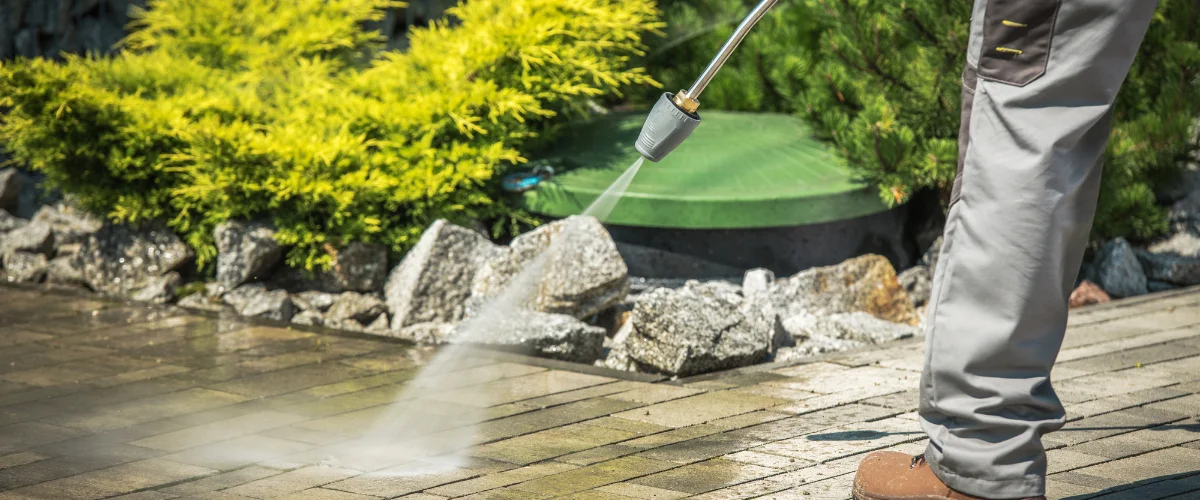
Why Pressure Washing Matters in Mint Hill, NC
Living in Mint Hill means dealing with a very specific set of environmental factors that directly affect your home’s exterior.
The Local Climate Challenge
Mint Hill experiences:
High humidity (especially in spring and summer)
Heavy pollen seasons
Frequent rainstorms
Warm temperatures that encourage mold and mildew growth
All of these contribute to the buildup on your home’s surfaces. That greenish tint on your siding? Likely algae. Black streaks on your roof? It could be mold or mildew. Slippery driveway? That’s organic growth thriving in moisture.
Pressure washing helps remove:
Mold and mildew
Algae and moss
Pollen buildup
Dirt and grime
Oil and grease stains
If you ignore these, they don’t just look bad; they can actually break down materials over time.
What Surfaces Around Your Home Need Pressure Washing
You might be surprised at how many areas around your home benefit from regular cleaning.
Siding
Vinyl, brick, and fiber cement siding all collect dirt and organic growth. A proper wash restores color and prevents long-term damage.
Driveways and Walkways
Concrete surfaces trap oil stains, tire marks, and algae. This not only looks bad but can also become a slipping hazard.
Decks and Patios
Wood and composite decks need regular cleaning to prevent rot, discoloration, and buildup.
Roofs
While roofs require a gentler approach (soft washing), removing black streaks and moss is critical for longevity.
Fences
Wood and vinyl fences both benefit from cleaning to maintain their appearance and durability.
Pressure Washing vs. Soft Washing: What’s the Difference?
This is one of the biggest misunderstandings homeowners have.
Pressure Washing
Uses high-pressure water
Best for hard surfaces like concrete and stone
Great for removing tough stains
Soft Washing
Uses low pressure + cleaning solutions
Ideal for siding, roofs, and delicate surfaces
Prevents damage while still killing mold and algae
If you use high pressure where it doesn’t belong, you can:
Crack siding
Strip paint
Damage wood
Force water into your home’s structure
That’s why knowing the difference matters.
How Often Should You Pressure Wash Your Home?
There’s no one-size-fits-all answer, but here’s a good rule of thumb for Mint Hill homeowners:
Siding: Once a year
Driveways: Once a year (or more if heavily used)
Decks: Every 1–2 years
Roofs: Every 2–3 years (soft washing)
If your home is shaded or surrounded by trees, you may need more frequent cleaning due to increased moisture and debris.
Signs Your Home Needs Pressure Washing
Not sure if it’s time? Look for these signs:
Green or black streaks on siding
Dark patches on your driveway
Slippery surfaces
Dull or faded appearance
Visible mold or mildew
Pollen buildup (especially in spring)
If you’re noticing these, it’s already time to act.
The Hidden Benefits of Pressure Washing
Most people think pressure washing is just about looks, but it goes much deeper than that.
Protects Your Investment
Your home is one of your biggest investments. Regular cleaning helps prevent:
Rot
Premature aging of materials
Structural damage
Improves Health
Mold and mildew don’t just stay outside. They can affect air quality and contribute to allergies.
Boosts Curb Appeal
Whether you’re planning to sell or just want your home to look great, pressure washing makes a huge difference instantly.
Saves Money Long-Term
Replacing siding or repairing decks is expensive. Maintenance is not.
DIY Pressure Washing: What You Should Know First
A lot of homeowners consider renting a pressure washer, and that’s understandable. But there are some things you should keep in mind.
The Risks
Using too much pressure can damage surfaces
Incorrect angles can force water behind siding
Lack of proper cleaning solutions means mold comes back quickly
The Learning Curve
It’s not just point and spray. You need to understand:
PSI levels
Nozzle types
Cleaning agents
Surface compatibility
Time Investment
What seems like a weekend project can easily turn into a multi-day job if you’re not experienced.
Environmental Considerations in Mint Hill
Mint Hill homeowners should also be mindful of runoff and environmental impact.
Pressure washing can release:
Chemicals
Dirt and debris
Oil residues
It’s important to:
Use eco-friendly cleaning solutions
Prevent runoff into storm drains
Follow local guidelines
Being responsible here protects both your property and the community.
Best Practices for Pressure Washing
If you want the best results, follow these tips:
Start with the right method (pressure vs. soft washing)
Use proper cleaning solutions for organic growth
Work from top to bottom
Maintain a safe distance from surfaces
Avoid washing during extreme heat
Rinse thoroughly to prevent residue
Consistency is key. One good cleaning per year can prevent a lot of problems.
Common Mistakes Homeowners Make
Let’s save you some trouble by calling these out directly.
Using too much pressure on the siding
Ignoring mold and just rinsing it off
Skipping protective gear
Not sealing wood after cleaning
Waiting too long between cleanings
These mistakes can lead to costly repairs, something you definitely want to avoid.
Choosing the Right Equipment (If You Go DIY)
If you decide to handle it yourself, here’s what you’ll need:
A pressure washer with adjustable PSI
Multiple nozzle tips
Surface cleaner attachment (for driveways)
Eco-friendly detergents
Safety gear (gloves, goggles)
But remember, having the equipment isn’t the same as knowing how to use it effectively.
Best Pressure Washing Equipment Manufacturers
Top manufacturers deliver reliable, durable pressure washers with consistent performance, making cleaning easier, faster, and more effective for homeowners tackling exterior maintenance projects.
Simpson Cleaning: Known for powerful gas pressure washers, durable frames, and professional-grade performance ideal for heavy-duty residential cleaning tasks.
Sun Joe: Offers affordable electric pressure washers with user-friendly designs, making them great for light to medium-duty home cleaning projects.
Kärcher: Industry leader with innovative technology, efficient water usage, and versatile machines suitable for various residential cleaning needs.
Ryobi: Popular among homeowners for reliable electric models, easy maintenance, and a wide range of accessories for different surfaces.
Generac: Provides strong, dependable pressure washers with powerful engines, designed for consistent performance and long-term residential use.
Why Experience Matters With Pressure Washing
Pressure washing might look simple, but there’s a big difference between a quick rinse and a professional-level clean.
Professionals understand:
Surface-specific techniques
Proper chemical use
Safety protocols
Efficient workflows
That means better results, less risk, and longer-lasting cleanliness.
Our Team at Liberty Bins
Experienced Professionals, You Can Count On
Our team has years of hands-on experience delivering expert pressure washing services with precision, helping homeowners avoid costly mistakes and achieve lasting results. Choosing skilled professionals saves money over time and ensures your property is properly cared for. If you're ready to get your project handled by our industry experts, call 704-804-6404 and let’s get started.
Frequently Asked Questions About Pressure Washing
How does pressure washing actually work?
Pressure washing uses a machine that pushes water through a hose and out of a spray wand at high pressure. This high-pressure water helps break up dirt, grime, mud, and even mold from different surfaces. The pressure is measured in pounds per square inch (psi), and many models let you adjust it depending on what you’re cleaning. Some jobs also use soap or cleaning solutions to help loosen tough stains before you rinse everything away.
What’s the difference between pressure washing and power washing?
Both pressure washing and power washing use strong water pressure, but power washing uses heated water while pressure washing does not. The added heat can help with grease, oil, and heavy grime removal, especially on concrete surfaces or driveways. For most homeowners, a standard pressure washer, either a gas or electric pressure washer model, works just fine for regular cleaning around the house.
Is pressure washing safe for my siding and decks?
Yes, but only if done correctly. Vinyl siding, wood decks, and other materials can be damaged if the pressure is too high or if you spray too close. Always test a small area first and keep a safe distance from the wand. Using the right nozzle and lower psi helps protect surfaces like siding, wood, and painted areas from cracks or paint removal.
How often should I wash my house and outdoor areas?
Most homeowners should plan to wash siding, patios, and driveways about once a year. If your yard has a lot of trees or moisture, you may need to clean more often because mold, mildew, and debris build up faster. Regular cleaning helps protect materials and extend the life of your home’s exterior.
Can I use an electric pressure washer, or do I need a gas unit?
It depends on the job. Electric pressure washer models are great for light to medium cleaning, like windows, vehicles, and small patios. They’re also quieter and more portable. Gas units offer more power (higher psi) and are better for larger jobs like concrete, driveways, and heavy-duty cleaning. Many models are available, so you can choose what fits your needs and budget.
What kind of stains can pressure washing remove?
Pressure washing can remove most dirt, dust, mud, oil, grease, mildew, and surface stains. It works especially well on concrete surfaces, siding, decks, and patios. Some deep stains may need extra treatment with soap or special cleaning solutions. For example, oil stains on driveways may take more than one wash to fully clean.
What equipment do I need if I want to do it myself?
You’ll need a pressure washer machine, a hose, different nozzle tips, and possibly a surface cleaner attachment for large flat areas. You may also want cleaning solutions, safety gear, and a good spray wand. Make sure you understand how to attach everything properly and check for leaks before you begin. Taking time to test your equipment helps avoid problems during the job.
What are the biggest mistakes to avoid?
Common mistakes include using too much pressure, spraying too close, and not rinsing properly. This can lead to cracks, damaged materials, or even water getting behind siding. Another mistake is skipping the use of soap when needed, which can leave grime behind. Always follow basic tips: keep a safe distance, choose the right nozzle, and let surfaces fully dry after cleaning.
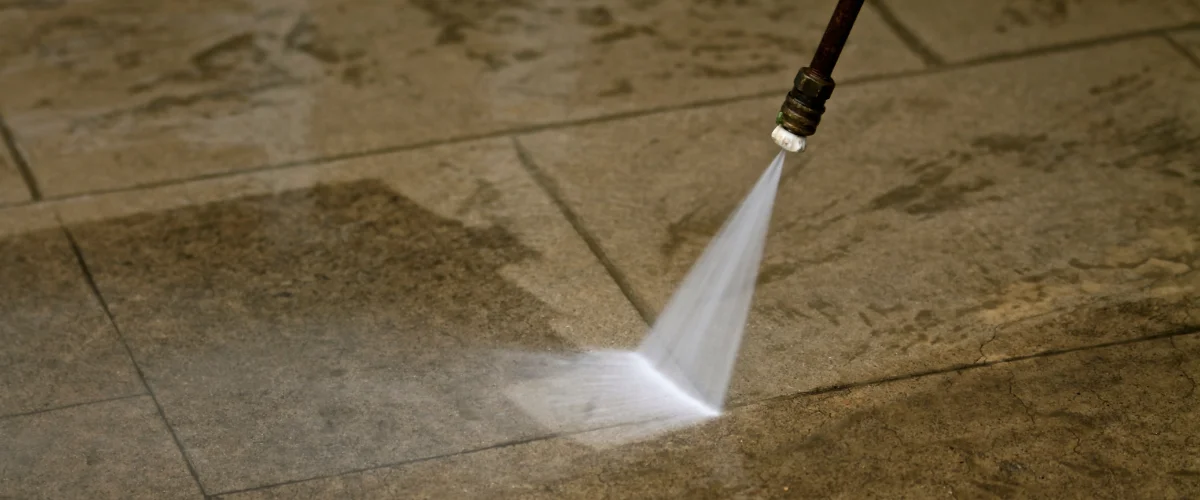
Pressure Washing in Mint Hill, NC
Pressure washing isn’t just a cosmetic upgrade; it’s an essential part of maintaining your home in Mint Hill, NC. With the area’s humidity, pollen, and weather patterns, regular cleaning helps protect your property, improve its appearance, and save you money over time.
If you’ve been putting it off, now’s a good time to take action.
And if you want it done right the first time, with results that last, contact us at 704-804-6404 and get your pressure washing project underway.
