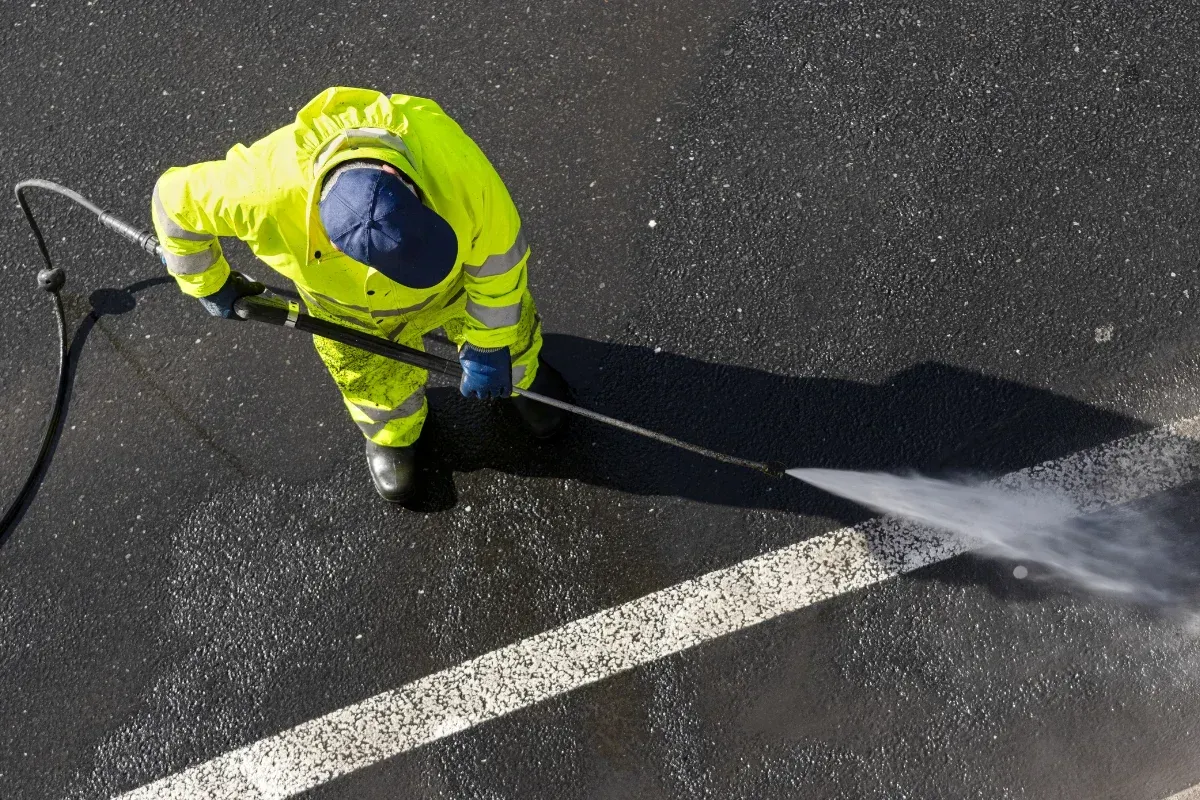
Common Pressure Washing Mistakes Wesley Chapel, NC Homeowners Should Avoid
If you live in Wesley Chapel, NC, you already know how quickly a clean-looking home can start looking tired. Between humid summers, regular rainfall, pollen, shaded areas, and the buildup that comes with living in a growing Union County community, exterior surfaces can collect dirt, algae, mildew, and grime faster than you might expect.
That is why the pressure washing mistakes homeowners should avoid are worth understanding before you pull out a pressure washer and start spraying. A pressure washer can make an enormous difference when it is used correctly. Used incorrectly, though, it can damage siding, strip paint, loosen materials, force water where it does not belong, and leave you with a repair bill instead of a cleaner home.
At Liberty Bins, we know that exterior cleaning is not simply about pointing a wand at a dirty surface. The pressure, nozzle, distance, cleaning solution, surface material, weather, and drainage all matter. If you are planning to clean your Wesley Chapel property, here are the mistakes you should know about first.
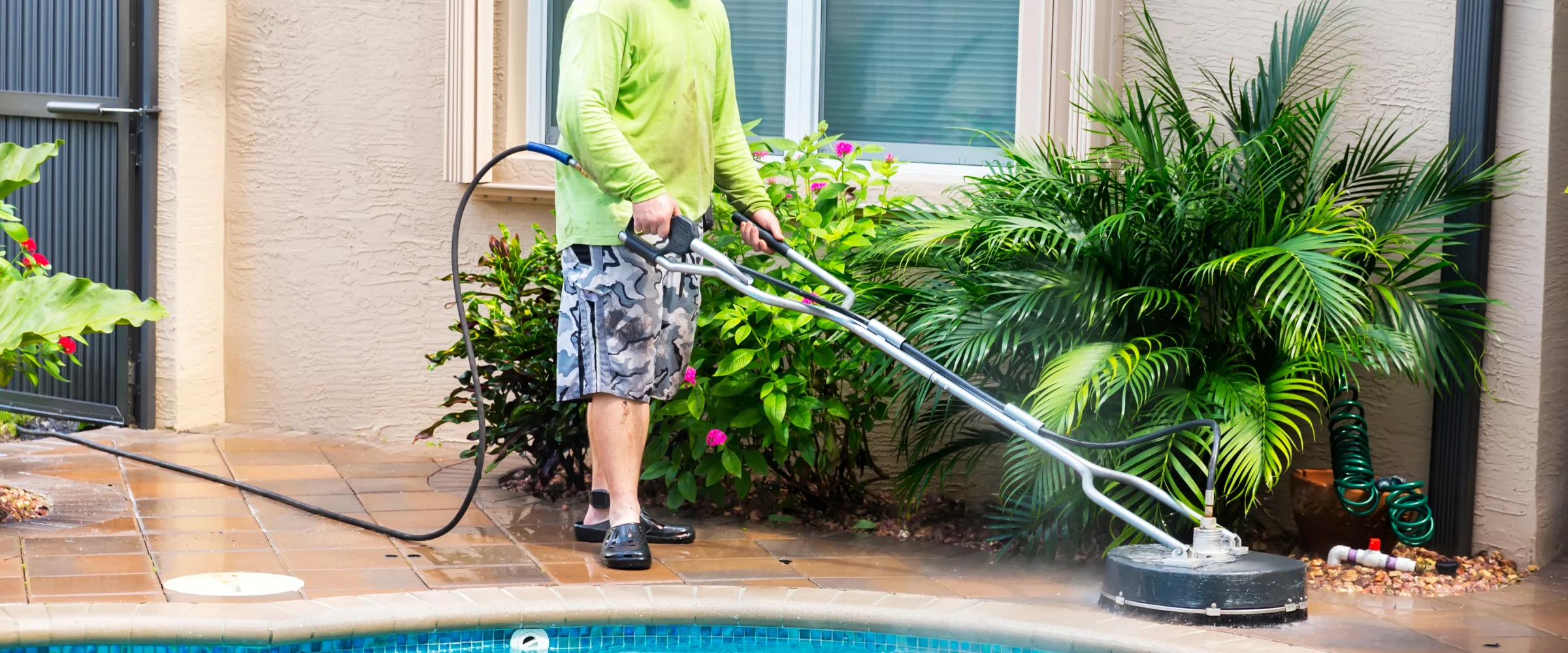
Why Pressure Washing Matters in Wesley Chapel, NC
Wesley Chapel has changed considerably over the years. The community was incorporated in 1998 and has grown while still maintaining connections to its older rural roots. Today, established homes, newer neighborhoods, wooded lots, busy roads, and expanding development all exist side by side.
That local setting matters when you are thinking about exterior cleaning.
Wesley Chapel experiences warm, humid summers and meaningful rainfall throughout the year. Summer humidity is particularly high, while August is among the wetter months based on long-term climate averages. Those conditions can create a comfortable environment for organic growth on shaded and damp exterior surfaces.
You may notice buildup on:
Vinyl and painted siding
Brick and masonry
Concrete driveways
Sidewalks and walkways
Patios and outdoor living areas
Fences
Garage floors
Pool decks
Retaining walls
Outdoor steps
Trash and waste containers
The goal is not to pressure-wash everything as aggressively as possible. The goal is to clean the surface effectively without damaging it.
Common Pressure Washing Mistakes Wesley Chapel, NC Homeowners Should Avoid
Using Too Much Pressure
This is probably the most common mistake.
It is easy to assume that more pressure means better cleaning. In reality, excessive pressure can damage the very surface you are trying to improve.
High pressure can:
Remove paint
Damage siding
Etch concrete
Break down mortar
Chip coatings
Splinter wood
Force water behind siding
Damage delicate outdoor fixtures
A surface can look extremely dirty and still require a relatively gentle cleaning method.
Professional pressure washing is about controlling pressure rather than simply maximizing it.
Holding the Nozzle Too Close
Even a machine with a reasonable pressure rating can cause damage when the nozzle is held too close to a surface.
The closer the spray gets, the more concentrated the force becomes. You may not notice the problem immediately, either. Some damage becomes obvious only after the surface dries.
Give yourself room to work and pay attention to how the surface responds. If you see paint lifting, material breaking away, or an unusual change in texture, stop and reassess.
Choosing the Wrong Nozzle
Pressure washers come with different nozzles designed for different cleaning situations.
A narrow spray pattern concentrates pressure into a small area. A wider spray spreads the water over a larger surface and is generally more forgiving.
Using the wrong nozzle can leave streaks, create visible marks, or damage a surface before you realize what happened.
You should always match the spray pattern to the material being cleaned rather than choosing a nozzle simply because it appears to remove dirt faster.
Treating Every Surface the Same Way
Your driveway is not your siding.
Your concrete patio is not your fence.
Your painted surface is not your masonry.
Different materials have different tolerances for pressure, moisture, cleaning solutions, and agitation. One of the biggest pressure washing mistakes Wesley Chapel, NC homeowners should avoid is assuming that one technique works everywhere.
Before cleaning, identify the surface and consider its age, condition, finish, and previous repairs.
If a surface is already cracked, peeling, weathered, or deteriorating, pressure washing can expose those problems quickly.
Pressure Washing Roof Shingles
Your roof deserves special attention.
Standard asphalt shingles are not something you should casually blast with a pressure washer. High pressure can disturb the granules on shingles and shorten the useful life of roofing materials.
If your roof has dark streaks or organic growth, do not assume that stronger pressure is the answer. Roof cleaning requires a method appropriate for the roofing material.
The same principle applies to gutters, flashing, vents, and other roof components. When you are cleaning around your home, protecting the roof is more important than getting a few extra spots perfectly clean.
Ignoring Windows, Doors, and Openings
Water can find its way into places you never intended.
Before pressure washing, pay attention to:
Window seals
Door frames
Electrical outlets
Exterior light fixtures
Vent openings
Utility connections
Garage-door components
Outdoor speakers
Security equipment
You do not want pressurized water being driven into an opening that normally handles rainwater without pressure behind it.
A garden hose and a pressure washer are not the same thing. Pressure changes how water interacts with seams, seals, and openings.
Forgetting to Protect Plants
Your landscaping is part of your property, too.
Cleaning solutions and dirty runoff should not simply be allowed to cover shrubs, flowers, or sensitive plants. Before beginning, consider where the water will travel and whether plants need protection or rinsing.
This is especially important around established landscaping, which is common in many Wesley Chapel neighborhoods.
Cleaning Without Considering Runoff
This is another mistake that deserves more attention.
When you pressure wash, you are not just moving dirt. You are creating wastewater that can contain soil, organic material, detergents, and other debris.
Union County's Unified Development Ordinance includes stormwater requirements, so homeowners should understand that drainage and runoff are not issues to ignore. The county maintains the current version of its ordinance because requirements can change.
You should avoid allowing dirty water or cleaning chemicals to flow where they can cause a drainage or environmental problem.
Think about where the water is going before you start the machine.
Pressure Washing During Poor Weather
Weather plays a bigger role than many homeowners realize.
Wesley Chapel's warm, humid conditions can make exterior surfaces stay damp longer. If you clean on a day when rain is approaching, you may not get the result you expected. Strong sun can also cause cleaning solutions to dry too quickly on some surfaces.
A better approach is to consider:
Temperature
Humidity
Wind
Sun exposure
Rain forecast
Surface temperature
Drying time
Cleaning conditions can affect both the quality of the finished result and how safely you can work.
Skipping the Pre-Inspection
Before cleaning, walk around the property.
Look for loose siding, cracked concrete, peeling paint, damaged caulk, broken fixtures, deteriorated wood, and areas that already appear compromised.
Why?
Because pressure washing does not create every problem you see afterward. Sometimes it simply reveals an existing problem.
A quick inspection helps you understand what the surface can realistically handle and prevents you from treating a damaged area as though it were perfectly sound.
Expecting Pressure Washing to Fix Everything
Pressure washing is excellent for removing many types of surface buildup, but it is not magic.
Some stains may be deeply embedded. Some discoloration may be permanent. Some surfaces may have old paint, oxidation, rust, or deterioration that cannot simply be blasted away.
If you keep increasing the pressure because a stain is not disappearing, you may eventually damage the surface while chasing a result that pressure washing was never going to provide.
The right question is not, "How much pressure can I use?"
It is, "What cleaning method will give me the best result without harming this surface?"
Pressure Washing vs. Power Washing: Is There a Difference?
You may hear the terms pressure washing and power washing used interchangeably.
Technically, power washing generally refers to using heated water, while pressure washing commonly uses unheated water. Both involve pressurized water, but heat can change how certain types of grease, grime, and buildup respond.
For homeowners, the more important issue is not the label.
It is whether the equipment and cleaning approach are appropriate for your specific surface.
A professional cleaning process should consider pressure, temperature when applicable, cleaning solutions, nozzle selection, surface material, and the condition of the property.
How to Avoid Pressure Washing Damage Around Your Home
If you are planning a DIY project, slow down before turning on the machine.
Start by identifying every surface you intend to clean. Then consider the condition of each material and the appropriate cleaning method.
A simple preparation process can include:
Inspect the area for existing damage.
Identify the surface material.
Remove loose objects and outdoor furniture.
Close windows and doors.
Protect vulnerable fixtures.
Consider nearby landscaping.
Think about where wastewater will travel.
Test your cleaning approach in a less noticeable area.
Begin conservatively rather than aggressively.
Stop if the surface reacts unexpectedly.
Taking an extra hour to prepare can save you considerably more time and money later.
How Often Should You Pressure Wash a Wesley Chapel Home?
There is no universal schedule that works for every property.
A home surrounded by mature trees and shade may show organic buildup faster than a home exposed to more direct sunlight. A property near a busy roadway may also collect more dust and grime.
For many homeowners, an annual exterior cleaning is a reasonable starting point, while heavily shaded or particularly exposed areas may need attention sooner.
Instead of waiting until the property looks extremely dirty, inspect it periodically.
Look for:
Green or dark growth
Slippery walkways
Black streaks
Dull concrete
Dirt around siding
Discoloration beneath gutters
Grime around entrances
Buildup in high-traffic areas
Cleaning earlier can sometimes make the job easier because you are dealing with surface buildup before it becomes more stubborn.
What Surfaces Around a Wesley Chapel Home Can Be Pressure Washed?
Pressure washing can be useful for many exterior surfaces when the correct method is used.
Common applications include concrete driveways, sidewalks, patios, certain siding materials, fences, masonry, outdoor living areas, and other hard exterior surfaces.
But "can it be pressure washed?" is not always a simple yes-or-no question.
The better question is:
How should this particular surface be cleaned?
Older materials, painted surfaces, delicate finishes, weathered wood, roofing materials, and damaged areas may require a gentler approach.
That distinction is one of the biggest differences between effective exterior cleaning and simply using a machine at maximum power.
Best Pressure Washer Manufacturers for Homeowners
The best pressure washer manufacturers are known for dependable equipment, useful features, replacement parts, and models suited to different residential cleaning jobs.
Kärcher — Known for broad pressure-washing equipment options, practical residential models, and long-standing cleaning equipment experience.
Simpson Cleaning — Offers pressure washers designed for residential and heavier-duty outdoor cleaning applications.
Generac — Produces outdoor power equipment with pressure washer models designed around homeowner cleaning needs.
Remember, owning a quality machine does not automatically mean you should use maximum pressure. Technique, surface knowledge, and proper setup still matter.
Why Professional Pressure Washing Can Save You Money
A pressure washer can look like a simple machine, but getting good results requires more than knowing how to pull the trigger.
You need to understand surface types, spray patterns, pressure levels, cleaning solutions, runoff, safety, and the condition of the material you are cleaning.
A mistake on a small section of concrete may be frustrating. A mistake on siding, painted surfaces, or other expensive exterior materials can become much more costly.
That is why professional pressure washing can make financial sense even when you originally planned to do the work yourself.
You are not just paying for someone to operate equipment. You are paying for experience, preparation, judgment, and the ability to know when more pressure is actually the wrong answer.
Our Professional Pressure Washing Team in Wesley Chapel, NC
Our team has been providing professional service for years, bringing experience, care, and attention to every project while helping homeowners avoid costly cleaning mistakes.
As with anything in life, you want to work with the best to get the best results, and choosing experienced professionals can save money in the long run.
If you are ready to have your project tackled by our team of industry experts, contact Liberty Bins at 704-804-6404 so we can get started.
Frequently Asked Questions About Pressure Washing in Wesley Chapel, NC
How often should I pressure wash my house in Wesley Chapel?
It depends on your home's location, landscaping, surface materials, and exposure to moisture.
Because Wesley Chapel experiences warm, humid summers and regular rainfall, shaded exterior areas can develop organic buildup more quickly. Inspect your property regularly instead of relying on a strict calendar.
If siding, concrete, walkways, or other exterior areas are becoming visibly dirty or slippery, it may be time for cleaning.
Can pressure washing damage my house?
Yes, improper pressure washing can damage a home.
Using excessive pressure, holding a nozzle too close, choosing the wrong spray pattern, or cleaning an unsuitable surface can cause problems.
The solution is not necessarily to avoid pressure washing. It is to use the correct cleaning method for the material.
Is it safe to pressure wash vinyl siding?
Vinyl siding can often be cleaned, but it should not automatically be treated with maximum pressure.
The age and condition of the siding matter. Water can also become a problem if it is forced behind panels, around openings, or into areas that were not designed to handle pressurized water.
A controlled cleaning method is much safer than simply using the strongest setting available.
Can I pressure wash my driveway?
Concrete driveways are commonly cleaned with pressure washing, but even concrete can be damaged.
Excessive pressure or an overly concentrated spray can leave visible marks or etching. Cracks and deteriorated sections also need additional care.
The goal should be an even clean rather than simply using enough force to remove dirt as quickly as possible.
Can I pressure wash my roof?
You should not assume that every roof can safely be pressure washed.
Asphalt shingles, for example, can be damaged by aggressive pressure. Roofing materials require cleaning methods appropriate to their construction and condition.
If your roof has staining or organic growth, focus on protecting the roofing material rather than trying to blast the discoloration away.
What should I do before pressure washing my home?
Start with a walk-around inspection.
Close windows and doors, move outdoor items, identify vulnerable fixtures, look for existing damage, consider nearby plants, and think about where wastewater will travel.
You should also check the weather and give yourself enough time to complete the work safely.
Is pressure washing environmentally friendly?
Pressure washing itself uses water, so responsible water and runoff management are important.
Dirty water can contain sediment, organic debris, and cleaning products. You should consider drainage before beginning and avoid allowing contaminated runoff to enter places where it could create a stormwater issue.
Union County's development regulations include stormwater provisions, so local requirements should be checked when your project raises drainage or runoff concerns.
How do I know when it is time to pressure wash my Wesley Chapel home?
Look for visible dirt, algae, mildew, dark staining, slippery walkways, dingy siding, and buildup around entrances or outdoor living areas.
You do not necessarily have to wait until your property looks extremely dirty. Regular inspection and timely cleaning can help keep buildup from becoming more difficult to remove.
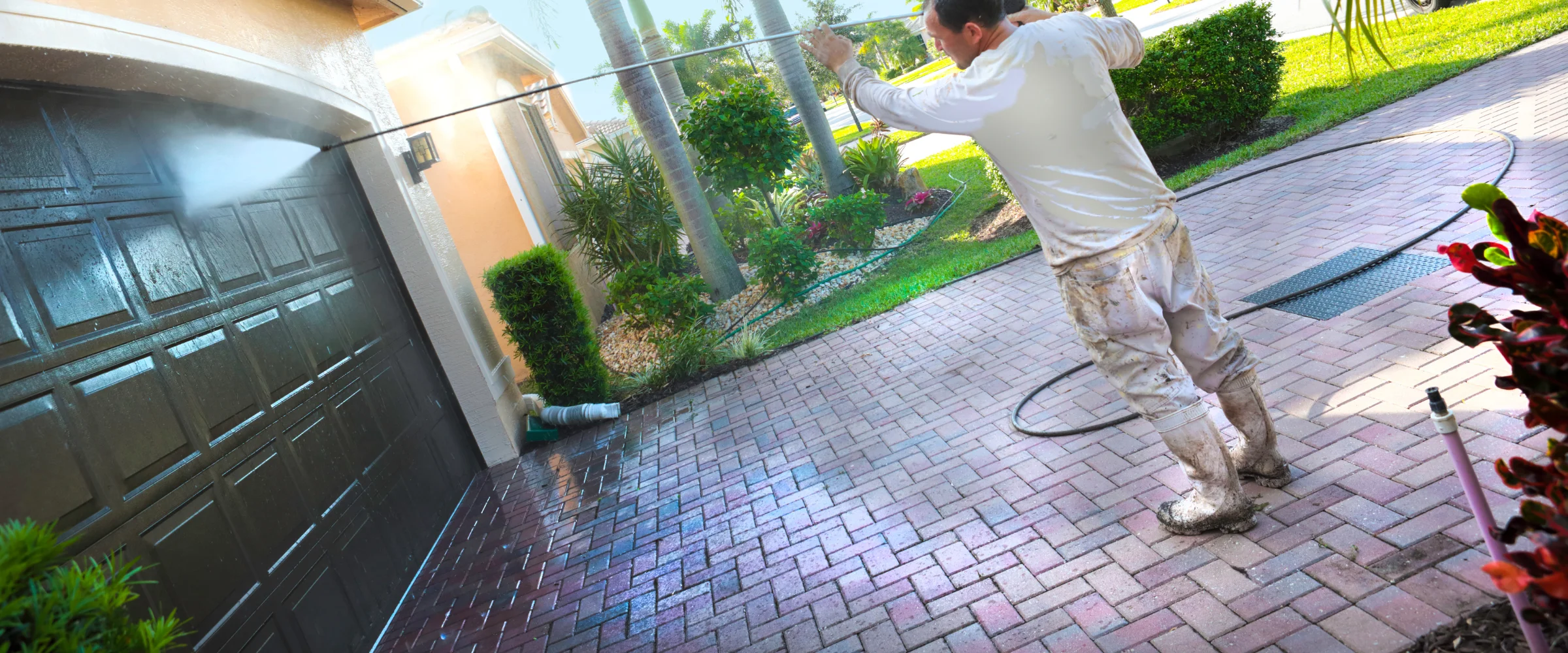
Pressure Washing Mistakes in Wesley Chapel, NC
Pressure washing can make a major difference in how your property looks, but the machine itself is only part of the equation.
The biggest pressure washing mistakes homeowners should avoid usually come down to one thing: using too much force without understanding the surface.
You want clean siding without damaged siding. You want a cleaner driveway without etched concrete. You want a better-looking outdoor space without creating problems that cost more to fix later.
Wesley Chapel's combination of warm summers, humidity, rainfall, established landscaping, and ongoing residential growth makes regular exterior maintenance especially worthwhile. Taking a careful approach can help you protect your investment and keep your property looking its best.
If you would rather leave the work to experienced professionals, Liberty Bins is ready to help. Contact us at 704-804-6404 to discuss your pressure washing project and get started.
